



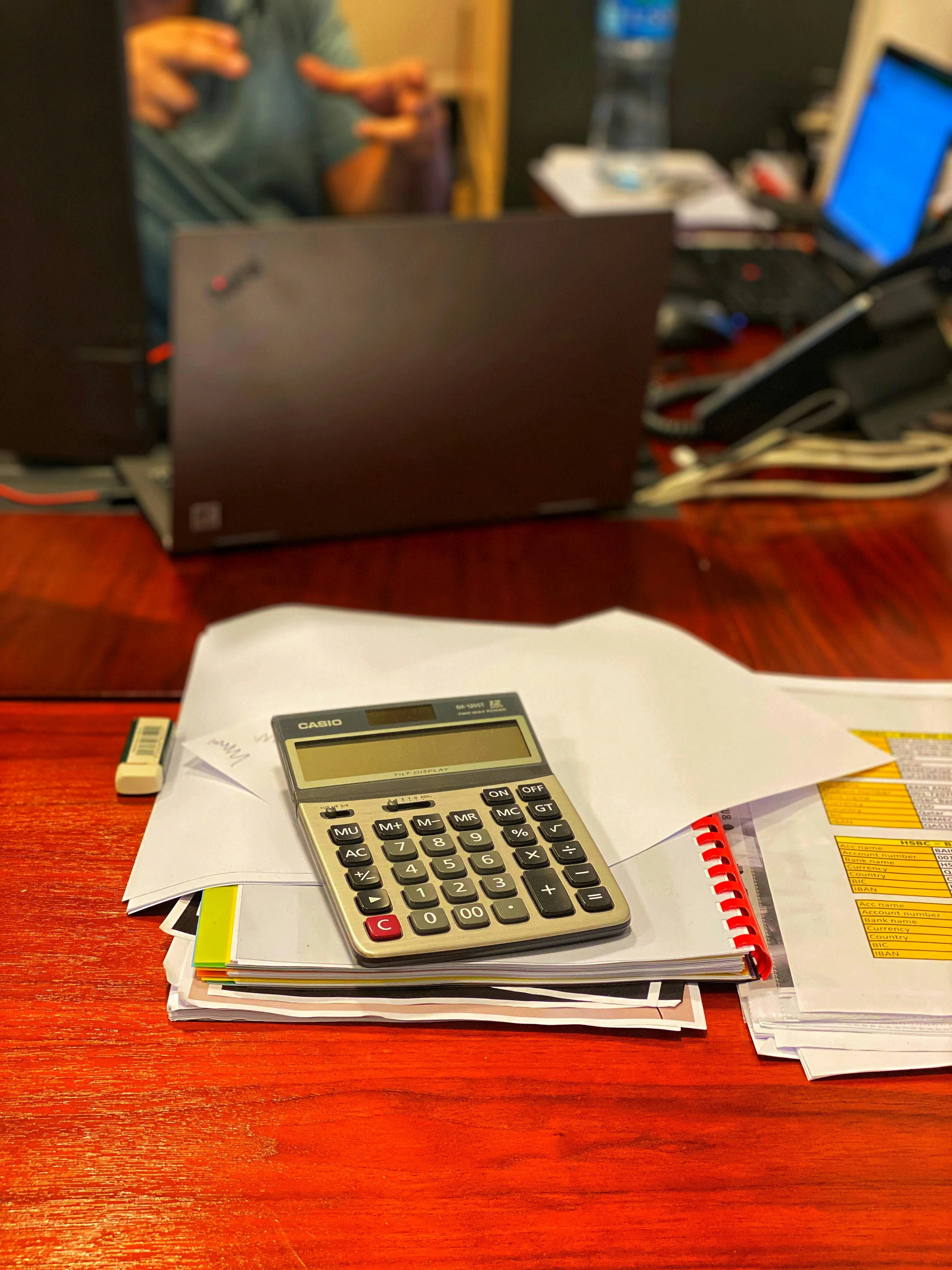
"Bookkeeping" and "accounting" get used interchangeably so often that most business owners assume they're the same thing with two names. They're related, but they're not the same job — and knowing the difference makes it a lot easier to figure out what your business actually needs, and when.
Bookkeeping: recording what happened
Bookkeeping is the day-to-day work of recording transactions — categorizing expenses, reconciling bank accounts, tracking invoices and bills, keeping payroll current. It's the process that turns a pile of receipts and bank activity into an organized, accurate set of books.
Accounting: interpreting what it means
Accounting builds on top of that data — analyzing it, preparing financial statements, advising on tax strategy, and helping with bigger-picture decisions like whether a business structure change makes sense. Good accounting depends entirely on the bookkeeping underneath it being accurate; an accountant working from messy books is working with one hand tied behind their back.
Where the line actually falls
Think of it as sequence, not seniority. Bookkeeping happens first and continuously — it's the ongoing input. Accounting happens periodically on top of that input — turning it into a P&L or a filed tax return. A business that skips clean bookkeeping and jumps straight to "let the accountant sort it out once a year" usually pays for that gap in accountant hours spent untangling categorization, not analyzing the business.
Which one does your business need?
Almost every business needs consistent bookkeeping, full stop — it's the foundation everything else sits on. Whether you also need a dedicated accountant, versus a bookkeeper who can handle straightforward tax prep, usually comes down to complexity: multiple entities, investors, or a structure like an S-corp tend to be where a full accountant earns their cost. For a deeper look at when the DIY-vs-professional line should move, see when it's time to hire a bookkeeper.
Not sure which side of that line your business is on right now? Try our free bookkeeping calculator for a quick read, or see what S&C Bookkeeping handles day to day. Get in touch and we'll help you figure out what you actually need — not what sounds most impressive.